
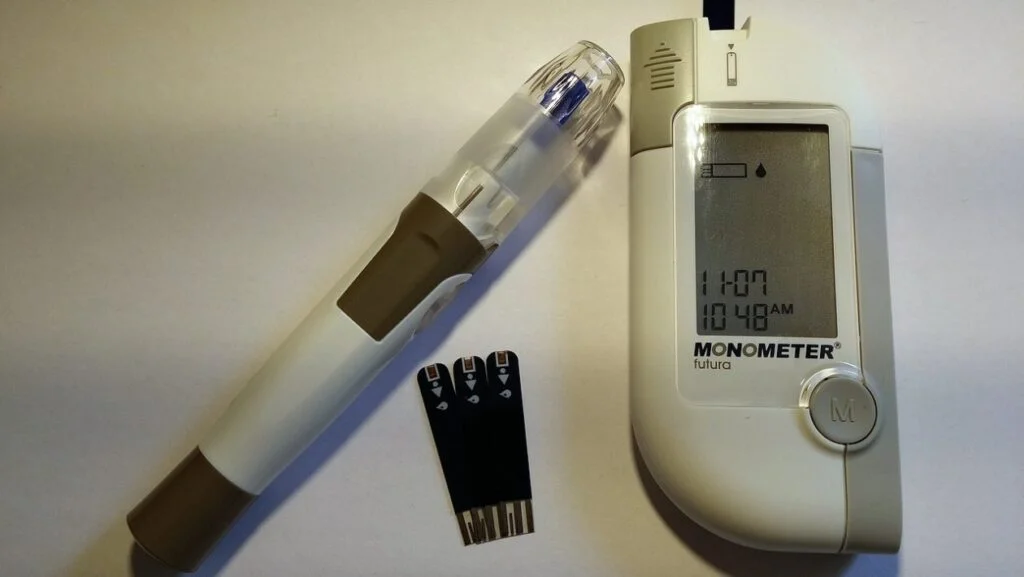
How Long Does It Take for Semaglutide to Work?
Understanding the Timeline, Mechanism, and What to Expect
Semaglutide is a GLP-1 receptor agonist peptide that has become a cornerstone in metabolic and endocrine research. It’s widely studied for its ability to regulate glucose metabolism, appetite control, and energy balance, making it one of the most advanced peptides in metabolic science today.
If you’re wondering how long it takes for semaglutide to work, the answer depends on dosage, individual response, and duration of use. However, most research data and clinical findings suggest noticeable results within 2-4 weeks, with significant physiological changes occurring over 8-12 weeks of consistent use in studies.
How Semaglutide Works in the Body
Semaglutide acts by mimicking the body’s natural GLP-1 (glucagon-like peptide-1) hormone. This hormone influences multiple systems, including:
- Insulin secretion and glucose regulation
- Appetite suppression and satiety
- Delayed gastric emptying, which prolongs fullness after meals
By activating GLP-1 receptors, semaglutide enhances insulin response, lowers postprandial glucose levels, and helps control caloric intake, mechanisms that are vital for both metabolic research and weight-management studies.
How Long Does It Take for Semaglutide to Work?
1. Initial Physiological Response (1-3 Days)
After administration, semaglutide begins to bind to GLP-1 receptors within 24-72 hours.
Early responses observed in studies include:
- Mild appetite reduction
- Slightly improved post-meal glucose regulation
- Decreased hunger frequency
These effects are subtle at first but indicate that the peptide is active and beginning to influence receptor signaling.
2. Noticeable Research Effects (2-4 Weeks)
Around weeks 2-4, subjects in semaglutide studies typically demonstrate measurable physiological changes, such as:
- Decreased appetite and food intake
- More stable blood glucose readings
- Enhanced insulin sensitivity in preclinical models
At this stage, researchers often begin recording quantifiable outcomes, showing the peptide’s role in metabolic modulation.
3. Significant Results (8-12 Weeks)
Most research indicates that semaglutide’s full physiological effects develop after approximately 8-12 weeks of consistent use.
By this point, studies often observe:
- Substantial weight regulation patterns
- Improved glucose tolerance
- Enhanced metabolic efficiency
- Sustained appetite control
The gradual onset aligns with semaglutide’s long half-life (~7 days), meaning it takes several weeks for stable plasma concentrations to be achieved.
4. Long-Term Adaptation (3-6 Months)
Over longer durations, semaglutide continues to demonstrate cumulative benefits in research models, such as improved energy expenditure, lipid metabolism, and glycemic control.
At this point, semaglutide’s actions become consistent and predictable, reflecting full receptor adaptation and signaling equilibrium.
Factors That Affect How Fast Semaglutide Works
| Factor | Impact on Response Time |
| Dosage Level | Higher concentrations typically produce faster receptor activation. |
| Frequency of Administration | Consistent intervals maintain stable peptide levels in plasma. |
| Storage & Stability | Improperly stored peptides degrade, delaying or weakening effectiveness. |
| Metabolic Variability | Individual metabolic rates can affect how quickly effects appear in studies. |
To ensure optimal peptide performance, Leanify Med recommends storing Semaglutide at −20°C (lyophilized) or 2–8°C (reconstituted) and following proper reconstitution protocols.
Research Insight from Leanify Med
“In controlled metabolic research environments, semaglutide consistently demonstrates measurable biological activity within 2-4 weeks, achieving optimal receptor engagement around 12 weeks. Stability and purity are key determinants in consistent outcomes.”
— Leanify Med Research Team
Proper Storage for Semaglutide Stability
Maintaining the peptide’s structure is crucial for accurate and reproducible results.
- Lyophilized (powder) form: Store at -20°C for up to 24 months.
- Reconstituted (liquid) form: Store in a refrigerator at 2-8°C for up to 45 days.
- Avoid repeated freeze–thaw cycles and exposure to direct light.
This ensures semaglutide remains in peak molecular condition throughout your research study.
Frequently Asked Questions (FAQs)
Q1: How long does it take for semaglutide to work?
A: Initial activity begins within 1-3 days, with noticeable effects appearing after 2–4 weeks in research settings.
Q2: How long until full results are observed?
A: Full biological effects typically develop between 8-12 weeks of consistent administration.
Q3: Can improper storage affect how fast semaglutide works?
A: Yes. Exposure to heat or moisture can degrade peptide bonds, reducing potency and slowing response times.
Q4: Is semaglutide suitable for all research models?
A: It’s primarily used in metabolic, endocrine, and appetite regulation studies, depending on research approval and ethical compliance.
Summary
- Initial activity: 1-3 days
- Noticeable results: 2-4 weeks
- Significant outcomes: 8-12 weeks
- Full stability period: Up to 6 months (stored properly)
The timeline for how long semaglutide takes to work depends on purity, dosage, and consistency — all factors Leanify Med ensures through GMP-certified synthesis, HPLC testing, and COA verification.